

Low Impact Cardio for Seniors: Your Safe Exercise Guide
Many older adults start the day the same way. You swing your legs out of bed, stand up, and notice the knees feel stiff, the back feels tight, and the idea of jogging or jumping sounds more punishing than helpful. You know movement matters, but you don't want a workout that leaves your joints complaining for the rest of the day.
That's where low impact cardio for seniors fits so well. It gives your heart and lungs useful work without the pounding that often makes traditional exercise feel off-limits. For some people, that means a walk after breakfast. For others, it means pool exercise, a stationary bike, or seated options that build effort without harsh landings.
If you've been looking for a kinder way to get fitter, improve stamina, and stay independent, this approach is worth learning properly. The basics of exercise for older adults don't need to be complicated. They do need to be matched to how your body feels now, not how it felt twenty years ago.
Introduction to Low Impact Cardio for Seniors
Low impact cardio is often the difference between an exercise habit that lasts and one that fades after a week. For seniors, the main barrier usually isn't motivation. It's discomfort, uncertainty, or fear of making an existing ache worse.
A useful routine should feel manageable on an ordinary day. You shouldn't need athletic confidence, a perfect home gym, or a pain-free body to begin. You need movement that raises your breathing a little, keeps your body safe, and can be repeated often enough to matter.
Practical rule: The right workout is the one you can come back to consistently, even on a stiff morning.
The objective is steady weekly activity, not one heroic session. Low impact cardio can be gentle, moderate, or quite challenging depending on how you do it. That flexibility makes it one of the most practical exercise categories for older adults.
Understanding Low Impact Cardio
A lot of seniors hear “low impact” and picture something so mild that it cannot improve fitness. That is the first idea to clear up. Low impact describes how your body meets the ground or gets supported during movement. It does not describe how hard your heart and lungs can work.

What low impact actually looks like
Impact is the jolt that travels through your feet, knees, hips, and spine each time you land or push off hard. Low impact exercise lowers that jolt. Sometimes that happens because one foot stays in contact with the floor longer. Sometimes it happens because water, pedals, or a seat support part of your body weight.
A simple comparison helps. Walking on a soft path and jumping off a curb can both raise your breathing, but they load your joints very differently. Low impact aims for the first pattern. You still move with purpose, just without the repeated pounding.
Common examples include:
- Walking at a controlled pace
- Swimming or water aerobics
- Stationary cycling
- Elliptical training
- Chair-based cardio
Low impact and intensity are different
A common misunderstanding involves the distinction between these terms. Impact is about force on the joints. Intensity is about effort.
You can have low impact and low effort, such as an easy stroll. You can also have low impact and high effort, such as fast cycling with resistance, brisk uphill treadmill walking while holding a smooth stride, deep-water jogging, or a hard interval session on an elliptical. These options matter because they let some older adults reach moderate or even vigorous training zones without the sharp landing forces that often aggravate sore knees, hips, or backs.
That point is often missed in basic senior fitness advice. Many guides stop at “gentle movement” and never explain that joint-friendly cardio can still challenge the heart and lungs enough to build serious conditioning. If you want a plain-language explanation of how cardio effort is measured, this overview of proven cardio methods gives a useful starting point.
How to tell whether the effort is light, moderate, or vigorous
The easiest tool is the talk test. It works like a speedometer for effort when you do not want to fuss with numbers.
- Light effort: you can speak in full sentences with no strain.
- Moderate effort: you can talk, but the sentences get shorter.
- Vigorous effort: saying more than a few words at a time feels difficult.
That means a recumbent bike session can count as vigorous if the resistance and pace push your breathing high enough. Water exercise can too. A movement does not need impact to be challenging.
For seniors, that is a useful shift in thinking. Low impact cardio is not just “safe because it is easy.” It works like turning down the road shock while keeping the engine running strong.
Why Low Impact Cardio Matters for Senior Health
A common moment later in life goes like this. You finish bringing in groceries, sit down, and notice your breathing needs a little longer to settle than it used to. Low impact cardio helps close that gap. It builds the kind of stamina that shows up in ordinary tasks, so stairs, shopping, gardening, and housework feel more manageable.

The benefit is not only comfort. It is function. Your heart, lungs, muscles, and balance systems all work together like parts of the same household appliance. If one part tires early, the whole job feels harder. Regular low impact training improves how those parts share the workload.
What consistent training can improve
A review of low-impact aerobic exercise in adults aged 60+ found that training for 16 weeks at 3 or more sessions per week increased VO2max by about 15 to 18%, with related gains in cardiorespiratory fitness and functional independence, according to the Asian Medical Journal paper. VO2max is a measure of how well your body uses oxygen during exercise.
That can sound abstract, so it helps to translate it into real life. Better oxygen use often means you recover faster after a flight of stairs, a walk through a large store, or a few minutes of carrying laundry. The same review also described improved balance and lower fall risk with similar low impact training. For many seniors, that matters as much as endurance because confidence in movement affects whether you stay active at all.
There is another reason this matters. Joint-friendly cardio can still be hard enough to train the heart well. Many senior exercise guides stop at "easy movement," but some low impact options can push breathing into higher effort zones without the repeated pounding that often irritates knees, hips, or the lower back. That gives older adults a wider menu of safe choices than they are often told about.
Why consistency matters more than occasional hard days
Health gains usually come from steady practice, not from one ambitious workout followed by several inactive days. Your body adapts the same way a path forms across a lawn. One trip over the grass changes little. Repeated passes create a clear route.
That principle is especially helpful for seniors who worry they need to "work out hard" to make progress. In many cases, the better target is regular weekly movement that you can recover from and repeat. Some sessions may become moderately hard, and a few may reach vigorous effort through low impact methods, but the pattern matters more than a single standout day.
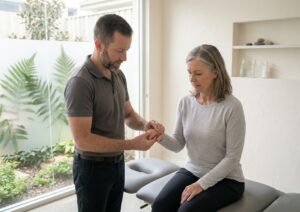
If arthritis limits your options, visual resources can help you understand why certain motions feel easier than others. This image from Bayside Osteopathic Health for arthritis is a simple reminder that joint-friendly movement usually starts with reducing unnecessary load and force.
A short demonstration can make the point more concrete:
If you want a clearer picture of how exercise supports circulation, blood pressure, and day-to-day stamina, this guide to improving heart health through daily movement habits connects those pieces in plain language.
Staying active later in life is about keeping daily life within easier reach.
Safety and Precautions for Seniors
Safety starts before the workout begins. Clear a small area, wear stable footwear if you're standing, and choose a mode that matches your current balance and joint comfort. If you've been inactive for a while, start below what you think you can do.
Anybody with a serious medical condition or injury should consult with their medical practitioner before starting any new exercise program.
BionicGym is a great way to exercise. It is not a medical treatment. Consult your doctor if you have a serious condition.
What safe effort feels like
One reason low impact methods are useful is that they can reduce stress on the body while still training the heart. Seniors exercising at 50 to 70% heart rate reserve meet moderate-intensity guidance while reducing tibial compression forces by 60 to 80% compared to running, according to this Springer article on non-impact modalities.
That doesn't mean every low impact option is automatically safe for every person. It means the format can be kinder to the joints when the movement and intensity are chosen well.
Warning signs to respect
Stop and reassess if you notice:
- Dizziness or unusual light-headedness
- Sharp joint pain, rather than normal muscle effort
- Chest discomfort
- Sudden shortness of breath that feels out of proportion
- Loss of balance that makes the activity feel unstable
For older adults who want extra support around steadiness and falls prevention, this guide to safe balance training in Deerfield Beach offers useful ideas.
Warm up and cool down properly
Use a few minutes to ease in and ease out:
- Begin slowly: March in place lightly, pedal gently, or walk at an easy pace.
- Build gradually: Let breathing and circulation rise before the main effort.
- Finish gradually: Don't stop abruptly after harder work.
- Sip water sensibly: Hydration matters, especially in warm rooms or pools.
If arthritis is part of your decision-making, this guide to no-impact cardio for arthritis can help you think through safer options.
Low Impact Cardio Exercise Options
A good low impact option should feel like a dial you can turn, not a single speed. Some seniors want a gentle way to keep moving. Others want something that can climb into a harder training zone without asking sore knees, hips, or feet to absorb more force.

A side-by-side look
| Option | Joint feel | Typical use | Intensity potential | Practical notes |
|---|---|---|---|---|
| Walking | Low to moderate impact | Indoors or outdoors | Light to moderate | Familiar and convenient, though longer sessions can bother knees or hips for some people |
| Swimming or water aerobics | Very joint-friendly | Pool required | Moderate to hard for some seniors | Water supports body weight, which often makes movement feel freer |
| Stationary cycling | Low impact | Home or gym bike | Moderate to hard | Useful for steady work, but seat comfort and knee bend matter |
| Elliptical | Low impact | Home or gym machine | Moderate to hard | The gliding pattern reduces pounding, though balance and coordination can still be limiting |
| Seated electrical muscle stimulation | No joint loading during use | Home, seated or during safe household tasks | Light to vigorous depending on device and programme | A different path for people who cannot tolerate much weight-bearing cardio |
What these choices do well
Walking is often the easiest starting point because it asks for very little equipment or setup. Swimming and water aerobics help many people move with less discomfort because the water carries part of the body's weight. For pool-based ideas, Aspen Falls Wellness's exercise insights are a useful complement.
Cycling and ellipticals can also work well when a senior wants a more continuous rhythm. They often feel smoother than jogging, but they still depend on repeated joint motion. That matters because some people can tolerate effort, yet cannot tolerate a lot of bending, pushing, or standing time.
Where traditional low-impact options can top out
This is the part many guides skip. A low-impact activity can be easy on the joints and still be hard on the heart and lungs, but only if your body can keep moving fast or long enough to raise demand.
For many seniors, that is the bottleneck. Walking may become limited by foot pain before breathing gets very challenged. Cycling may be limited by seat discomfort or knee range of motion. Water exercise is excellent, but it requires pool access, scheduling, and confidence in the water. In other words, the heart may be ready for more work while the joints, balance, or logistics say no.
A less common way to reach vigorous effort
One option is BionicGym, an FDA-cleared wearable cardio system developed by a medical doctor. It uses leg wraps and app-guided electrical impulses to create repeated muscle contractions while the user is seated or doing safe light tasks. The useful difference is that effort is partly separated from joint movement. Your muscles and cardiovascular system can work harder without needing the same amount of stepping, pedaling, or impact.
That separation is what makes this option worth mentioning in a guide for seniors. Traditional low-impact cardio usually raises intensity by asking you to move faster, longer, or against more resistance. A system like this can raise heart rate and breathing without adding the same mechanical load through the hips, knees, and ankles. For seniors who want a path toward vigorous intensity but keep running into joint limits, that is a meaningful contrast.
It still needs common sense. A harder setting is not automatically better, and comfort, medical history, and recovery still shape what level is appropriate.
Progressions Modifications and Sample Routines
A common pattern looks like this: Monday's walk feels fine, Tuesday brings sore knees, and by Thursday exercise starts to feel like a test instead of practice. Progress is usually smoother when you treat cardio like climbing a staircase with a handrail. You only move up one step when the current one feels steady.

Build from supported movement first
Start with the version that lets you breathe a little harder without making your joints complain later. For many seniors, that means adding cardiovascular challenge before adding more impact, speed, or balance demands.
A useful progression ladder looks like this:
-
Seated movement
Begin with seated marches, toe taps, or gentle cycling motions in a chair. The goal is to rehearse rhythm and breathing. -
Supported standing intervals
Add short bouts of standing march or step-touch while holding a counter or sturdy chair if needed. -
Longer continuous work
Gradually lengthen the time you can move without stopping. End the session feeling like you could have done a little more. -
Controlled intensity changes
Alternate easier and harder intervals while keeping impact low. This is often the safest way to raise effort. -
Joint-friendly vigorous work
Use methods that raise breathing and heart rate without asking for pounding or quick direction changes. That might mean faster pedaling on a recumbent bike, stronger intervals in the pool, or a seated wearable system such as BionicGym that creates repeated leg muscle contractions with minimal joint motion.
That last step matters because vigorous effort does not have to mean high impact. Your heart and lungs respond to how much work your muscles are doing. They do not require stomping, jumping, or fast footwork to get there.
A study of older women linked low-impact aerobic dance with improvements in endurance, strength, flexibility, balance, and body composition, according to the UNY study on low-impact aerobic exercise. The practical lesson is simple. Low impact can still train several parts of fitness at once.
Modifications for common limitations
The right modification should lower strain without removing the training effect. If a movement hurts, shrink the range, shorten the interval, or switch the position before you quit the whole session.
-
For arthritis: Choose cycling, water exercise, or short work periods with longer recovery. Mild effort is often fine. Sharp or rising joint pain is a stop sign.
Anybody with a serious medical condition or injury should consult with their medical practitioner before starting any new exercise program. -
For back discomfort: Use a supportive chair, keep posture tall, and avoid large twisting motions. Compact movements usually feel better than exaggerated ones.
BionicGym is a great way to exercise. It is not a medical treatment. Consult your doctor if you have a serious condition. - For limited balance: Stay seated, hold a stable surface, or choose water-based exercise. Balance should not be the main obstacle if the goal is cardio.
- For slow recovery: Keep hard days hard enough to matter, but keep easy days easy enough to absorb the work. Many seniors do better with fewer demanding sessions and more consistency.
If each session leaves your body more irritated than trained, the plan needs adjustment.
A simple 3-day weekly plan
This schedule fits beginners, people returning after a long break, and anyone who needs extra recovery.
Day 1
Warm up for a few minutes. Do one steady low-impact session at a comfortable, continuous pace. Cool down until breathing feels settled.
Day 2
Use intervals. Try short periods of stronger effort mixed with equal or longer easy periods. If you use a joint-friendly option such as a recumbent bike, pool intervals, or a seated muscle-stimulation system, this can be the day you briefly reach vigorous effort without adding impact.
Day 3
Repeat Day 1 or switch modes. Changing the tool can reduce overuse while keeping the habit intact.
A simple 5-day weekly plan
For seniors building toward the activity goals discussed earlier, a five-day structure can work well if the intensity is distributed wisely.
- Three steady days: Use walking, cycling, water aerobics, or another low-impact option at a moderate pace.
- Two interval days: Add brief harder efforts while keeping the movement joint-friendly.
- Aim for a weekly total that adds up gradually: Build session time over several weeks instead of forcing a full target right away.
- Include a warm-up and cool-down every time: These transition periods help your heart rate, joints, and balance adjust.
As noted earlier, older adults often do well when activity is spread across the week rather than packed into one or two hard sessions. That spacing gives your muscles time to recover and makes it easier to stay consistent.
Choosing Equipment and Tracking Progress
A senior standing in front of two exercise machines often faces the same question: which one will help my heart without bothering my knees, hips, or back? The right choice usually feels stable, easy to get into position on, and simple to adjust while you are moving. If the setup feels awkward before you begin, it rarely becomes easier after ten minutes of exercise.
Good equipment acts like a volume knob, not an on-off switch. You want small, clear increases in effort so your joints stay comfortable while your heart and lungs still get a real workout.
What to look for in equipment
Flashy features matter less than safe, repeatable use. Focus on a few practical qualities:
- Adjustable resistance or intensity: Small changes help you build effort gradually.
- Stable positioning: Seats, pedals, rails, and foot placement should feel secure.
- Easy entry and exit: Getting on and off should not feel like the hardest part of the session.
- Clear feedback: Time, heart rate, cadence, or effort cues make it easier to pace yourself.
- Joint-friendly support at higher effort: Some options let you push breathing into a vigorous zone without the pounding that comes from faster walking or jogging.
If you want to compare machines built to reduce joint loading, this guide to non-weight-bearing cardio equipment gives a useful side-by-side starting point.
How to judge whether you're working hard enough
Many seniors assume low impact means low effort. It does not. Impact and intensity are different dials. A pool workout, recumbent bike, elliptical session, or seated cardio system can stay gentle on the joints while still raising breathing enough to reach vigorous work in short blocks.
Mayo Clinic's exercise explanation describes METs as a way to classify how demanding an activity is. You do not need to memorize MET numbers. The useful takeaway is simpler: the same machine can deliver light movement, moderate cardio, or brief vigorous intervals depending on resistance, pace, and duration.
A simple tracking system works well because it answers three questions. Did you do the session? How hard did it feel? How well did you recover?
- Use the talk test: Full conversation usually means moderate effort. Short, broken phrases point to vigorous effort.
- Record session length: Minutes add up across the week, even when each workout is short.
- Notice recovery speed: If your breathing settles sooner after harder intervals, your fitness is improving.
- Track comfort the next day: Mild tiredness is common. Lingering joint pain means the mode, setup, or intensity needs adjustment.
- Keep a simple log: A paper calendar, notebook, or basic phone note is often enough.
That last point matters. Progress for older adults is not only about doing more. It is also about recovering well enough to do the next session on schedule.
If you use a seated cardio technology at home, track it the same way you would track walking or cycling. Note the minutes completed, the hardest effort reached, and how your legs and breathing felt afterward. That record helps you spot a useful pattern over time: you may be able to touch vigorous intensity in a joint-friendly way, then recover better than you would after a high-impact workout.
Conclusion and Next Steps
Low impact cardio for seniors works because it respects two realities at once. Older bodies often need less pounding, and older adults still benefit from real aerobic effort. You don't have to choose between safety and progress if you choose the right mode, the right pace, and the right progression.
A short, repeatable routine beats a perfect plan that never starts. Walking, pool exercise, cycling, elliptical work, chair-based movement, and seated cardio technologies can all fit, depending on your needs and confidence. What matters most is doing enough each week to build a habit your body can tolerate.
If you have a serious condition, check with your doctor before beginning. If a movement causes sharp pain, stop and adjust. If a routine feels sustainable, keep going long enough to let the benefits show up in everyday life.
Pick one option today. Put it on the calendar. Aim toward the weekly activity target that suits your starting point, then build steadily.
If you want a joint-friendly way to explore seated cardio, visit BionicGym. You can compare the BionicGym Standard system, the PRO+HIIT option, learn more about how the device works, review the app-guided training experience, and use the Weight Loss Calculator for diet-plus-exercise planning. Anybody with a serious medical condition or injury should consult with their medical practitioner before starting any new exercise program. BionicGym is a great way to exercise. It is not a medical treatment. Consult your doctor if you have a serious condition.