

Best Cardio Equipment for Small Spaces That Actually Works
You've got a spare corner, a couch, and maybe a downstairs neighbour who hates noise. That's the brief for best cardio equipment for small spaces. The wrong buy turns your flat into an obstacle course, the right one gives you proper cardio without turning daily life upside down.
| Category | In-use footprint | Stored footprint | Noise | Joint impact | Typical kcal/hr | Verdict |
|---|---|---|---|---|---|---|
| Foldable treadmills and walking pads | Large enough to matter during use | Smaller when folded or stored | Usually louder than magnetic machines | Higher impact than seated options | Qualitatively moderate to high | Good if you genuinely want walking or running mechanics |
| Compact rowers | Long in use, narrow in width | Very compact when stored upright | Can be noticeable in shared buildings | Low impact | Qualitatively high | Strong all-round choice if you can live with the length while training |
| Mini ellipticals and under-desk pedal machines | Very small to ultra-compact | Easy to stash away | Usually quieter than impact machines | Low impact | Qualitatively light to moderate | Best for seated movement and keeping things discreet |
| Foldable exercise bikes | Small in use, smaller folded | Very compact folded | Usually quiet, especially magnetic models | Low impact | Qualitatively moderate | The easiest traditional machine to live with in a tight flat |
| Wearable EMS | No machine footprint, just wraps and a bag | Tiny | Quiet | No joint loading during use | Typical vigorous level is about 500 calories per hour for most trained users | The most space-efficient option if you want cardio without a machine |
Why Small-Space Cardio Is a Real Constraint
If you live in a one-bed flat, your living room already does three jobs. It's where you work, where you eat, and where you're supposed to squeeze in cardio without annoying anyone else in the building. That's why the usual “just buy a treadmill” advice falls apart fast.
The space problem isn't just about square footage. It's about whether a machine can live in the room without becoming permanent clutter, whether it shakes the floor, and whether it sounds like a freight train through shared walls. Compact cardio is only useful if it fits your actual life, not your fantasy life.
Practical rule: if a machine can't disappear quickly, you'll stop using it in a small flat.
That's why the right comparison isn't treadmill versus bike in the abstract, it's in-use footprint, stored footprint, noise profile, joint impact, and real-world calorie burn. A compact treadmill can still be a poor fit if it dominates the room during use. A tiny pedal machine can be easy to store but disappointing if you want real cardio.
The other piece people ignore is how a machine behaves around furniture, radiators, and desks. A rower with a low stored profile is useful in a hallway corner, while a walking pad can make sense under a desk for desk-bound workers. If your living setup has constraints, the same logic applies to layout planning in other parts of the home too, like kitchen ideas for tight spaces, where every centimetre has to earn its keep.
If you want a broader home-fitness lens, the same compact-thinking mindset shows up in BionicGym's home fitness solutions, because small-space gear has to work around real rooms, not showroom floors.
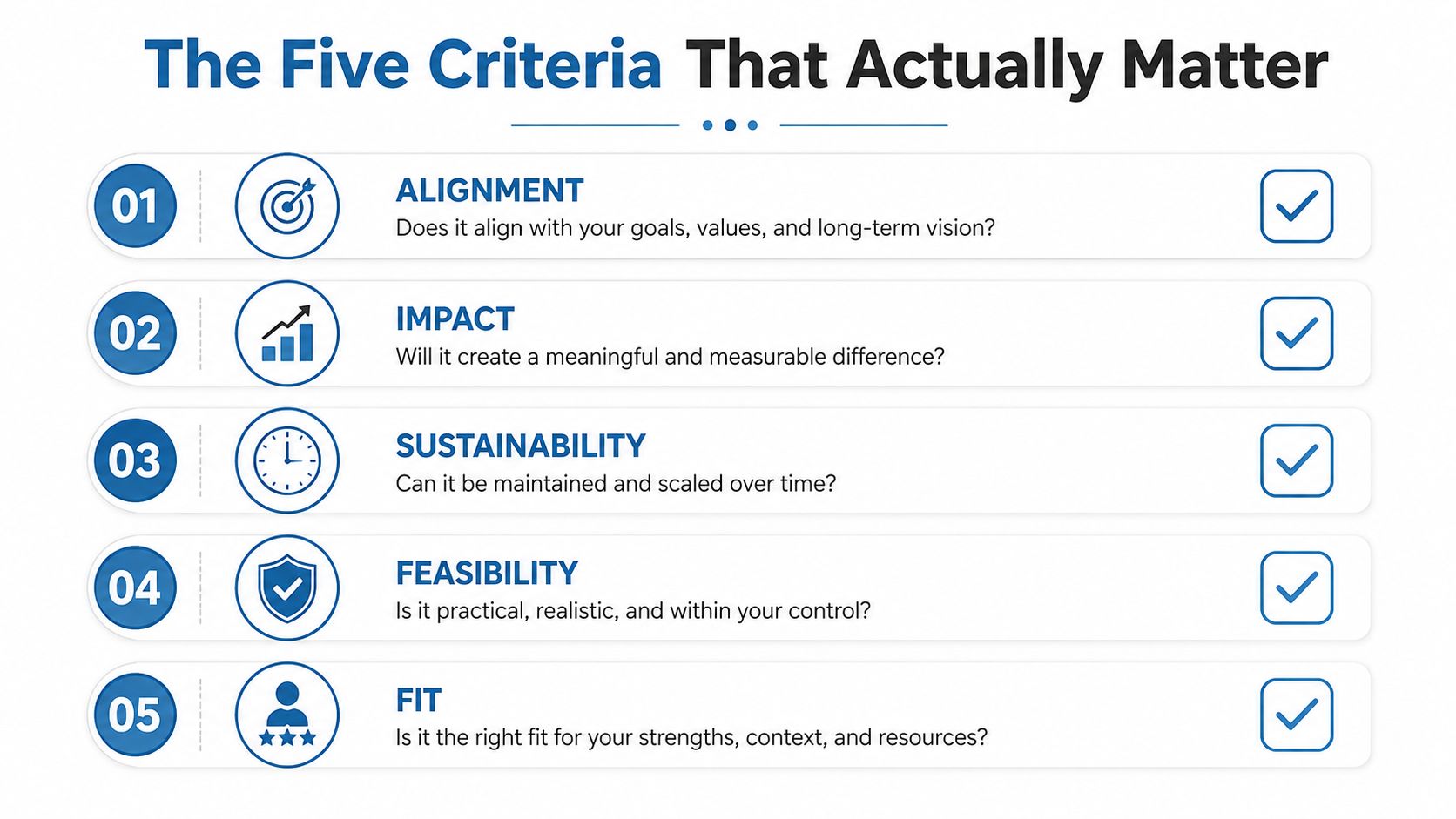
The Five Criteria That Actually Matter
Start with the room, not the brochure
The first mistake is buying from the spec sheet alone. A machine can look compact online and still be a nightmare in use if it needs a big operating zone. Measure the exact floor area you can give up during a session, not just the corner it will live in afterwards.
Judge storage separately
Storage footprint matters because a machine that folds well is very different from one that works well. The easiest test is simple, if you won't happily move it after every session, it's not a small-space solution. That's why stored dimensions deserve as much attention as the active footprint.
Don't ignore noise
Noise isn't only the motor. It's the belt, the impact, the vibration, and the way the machine transmits sound through the floor. Magnetic resistance usually beats air or impact-based designs for quieter living, especially in apartments and shared houses.
A quiet machine can still be annoying if it rattles the floor below you.
Match the machine to your joints
If you need low-impact cardio, choose seated or non-weight-bearing options first. Upright machines ask more from knees, ankles, hips, and balance. That doesn't make them bad, it just means they're wrong for some bodies and perfect for others.
Be honest about calorie burn
Marketing hype loves peaks, not averages. The useful question is what you can do on a normal weekday, for a normal session, with a normal amount of effort. If a machine only looks good in a demo video, it's not a serious contender for a flat.
The Quick-Answer Shortlist
| Category | In-use footprint | Stored footprint | Noise | Joint impact | Typical kcal/hr | Verdict |
|---|---|---|---|---|---|---|
| Foldable treadmills and walking pads | Moderate to large | Good when folded | Medium to high | Medium impact | Moderate to high | Best for walkers and runners who want familiar movement |
| Compact rowers | Large during use, narrow in width | Very good when stored upright | Medium | Low impact | High | Best if you want full-body work and can handle the length |
| Mini ellipticals and under-desk pedal machines | Very small | Excellent | Low | Low impact | Light to moderate | Best for quiet seated movement and desk use |
| Foldable exercise bikes | Small | Excellent | Low | Low impact | Moderate | Best pure space saver among traditional machines |
| Wearable EMS | Tiny | Excellent | Very low | Very low joint load | Typical vigorous level about 500 calories per hour for most trained users | Best if you want cardio without owning a cardio machine |
If you're a flat-dweller who wants a real machine, start with a foldable bike or a compact rower. If your first concern is noise, the magnetic bike wins the sanity test. If you want the smallest possible footprint and you're happy to get your exercise from a wearable, that category deserves a serious look rather than being treated like a gimmick.
For people comparing machine-free movement with seated options, the logic overlaps with non-weight-bearing cardio equipment, because the body doesn't care whether the workout looks traditional, it cares whether you can repeat it.
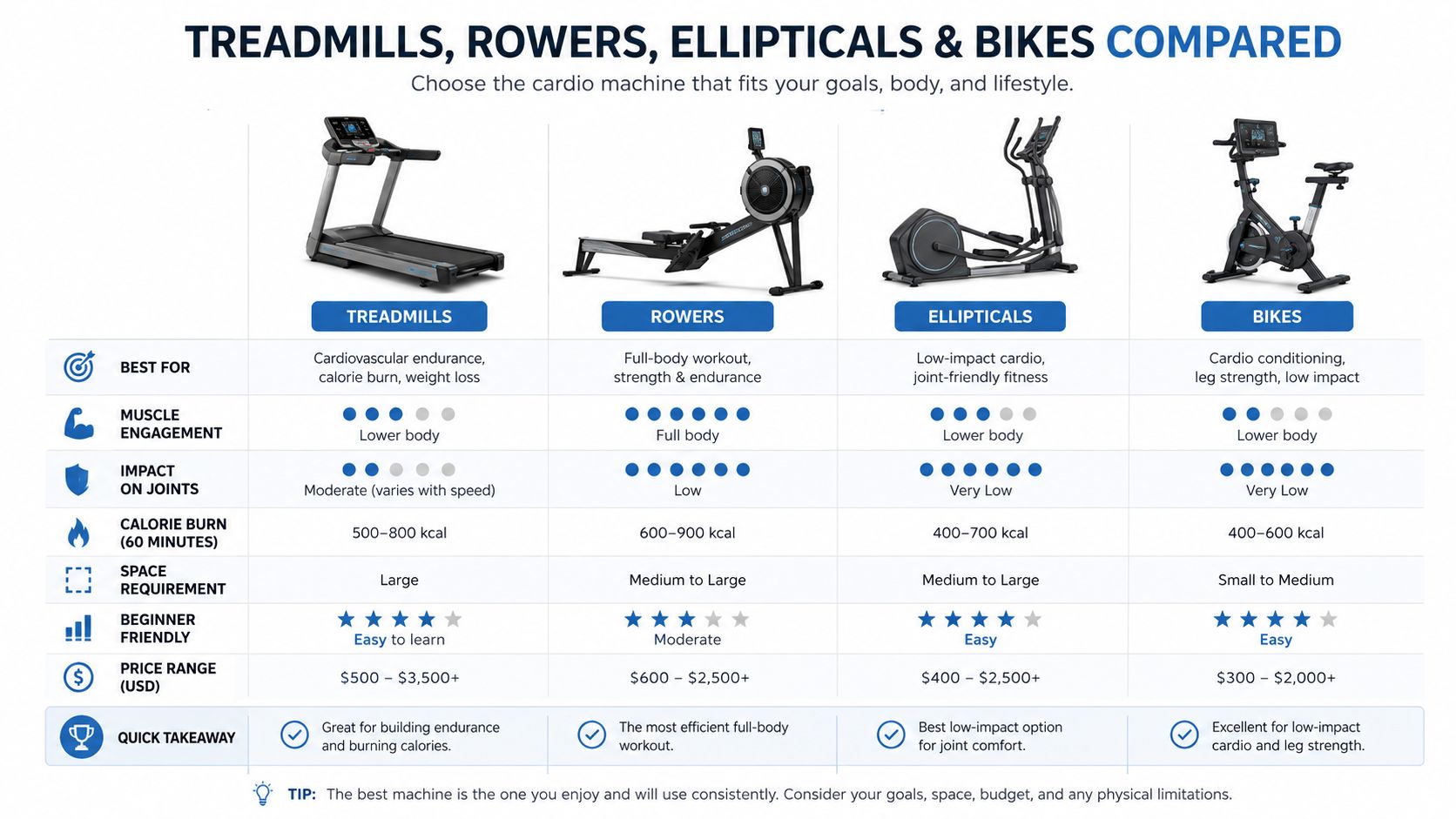
Treadmills, Rowers, Ellipticals and Bikes Compared
Foldable treadmills and walking pads
A foldable treadmill makes sense if you want to walk or run indoors and you want the movement to feel familiar. For small flats, the number that matters is not the floor it eats while you're training, it is whether it folds into something you can tolerate living beside. A compact curved treadmill can still take up about 10 sq ft when folded, which is respectable, but it is still a real object in the room.
The trade-offs are obvious once you start using one. Treadmills take the most room in use, they are rarely the quiet option, and they add more impact than the other machine types here. If your knees and ankles are fine with running mechanics and you want the closest thing to outdoor walking or jogging indoors, this is the machine that does that job.
Compact rowers
Rowers make more sense than treadmills for a lot of small spaces because they give you full-body work without turning the flat into a permanent cardio zone. Good compact models store upright, and a strong benchmark is the Concept2 RowErg, which stores vertically in just 25" x 33" of floor space (Home Gym Foundry, compact cardio machines). That storage profile is exactly why rowers keep showing up in serious small-space comparisons.
The catch is the layout during use. You still need room for the rail, and you need to be comfortable with a machine that is long while you're rowing even if it disappears neatly afterwards. For low-impact cardio that still feels like proper training, a rower is hard to beat.
Compact ellipticals and under-desk pedal machines
Ellipticals sit in the middle. A compact upright elliptical can be around 48" x 25", which is small enough to fit a corner without taking over the room, and under-desk pedal exercisers are described as ultra-compact in the same compact-cardio roundups. That makes them practical for people who want movement without dedicating the room to a big frame. For a closer look at small-footprint machines, Home Gym Foundry's compact cardio machines guide is a useful reference.
The trade-off is intensity. A pedal exerciser stores easily, stays out of the way, and works well for light movement, but it does not replace a harder cardio session. If you want to breathe hard and feel worked, the smallest desk unit will not do enough.
Foldable exercise bikes
A foldable bike is the cleanest answer for most tiny flats. Magnetic resistance keeps the noise down, the folded footprint can be tiny, and the seated position is forgiving if you are tired, sore, or just trying to avoid bothering the neighbours. GarageGymScout notes a Sunny Health SF-B1805 that is only 48 inches long and uses magnetic resistance, which the review highlights as completely silent, a serious plus in apartments and shared housing (GarageGymScout, small-space cardio review).
If you want something you are likely to leave out because it does not bully the room, this is the safest buy. It feels less athletic than a treadmill or rower, but day to day it is easier to live with.
For runners mapping out a training block, build a marathon plan explains why treadmills still make sense when gait specificity matters. The machine matches the movement pattern you are trying to hold.
For a wider look at alternative cardio options, the useful question is not what looks like exercise, it is what you can repeat in a small apartment without hating the setup.
Where Wearable EMS Changes the Equation
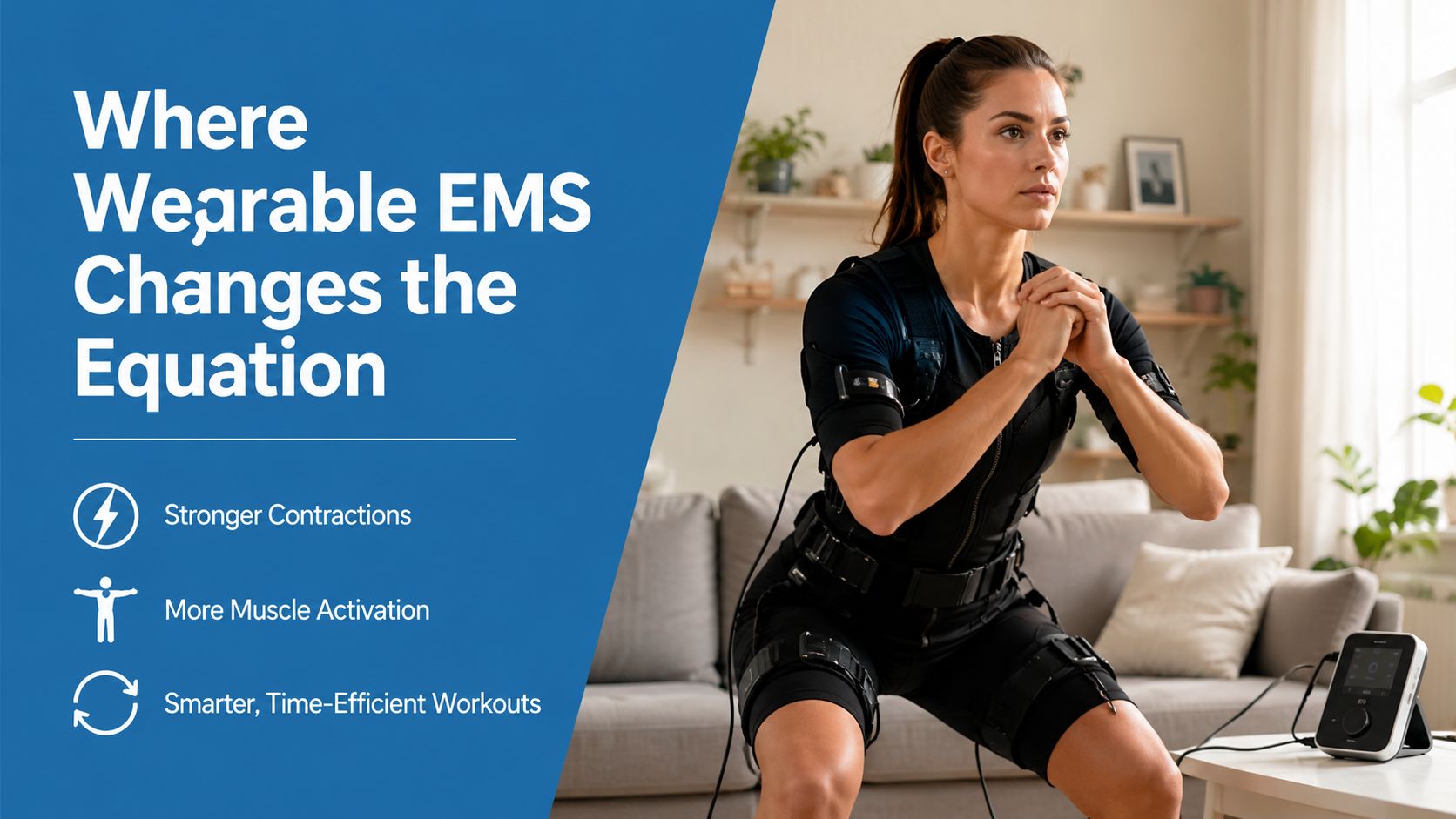
Wearable EMS is the category that often gets ignored because it doesn't look like cardio equipment. That's a mistake. A setup like BionicGym uses leg wraps with app-guided electrical stimulation to drive muscle activity, so your “cardio machine” becomes a small bag of gear instead of a chunk of metal on the floor.
This matters in a one-bed flat because the storage problem disappears. There's no deck, no frame, no permanent corner taken over by equipment. You can use it while sitting, working, or handling chores, which is exactly why it belongs in a small-space conversation rather than a rehab-only box. For a deeper look at how the system is positioned, see BionicGym's EMS muscle stimulator guide.
BionicGym is FDA-cleared, and it's a sugar-hungry form of exercise rather than a passive buzzing device. Typical vigorous use is about 500 calories per hour for most trained users, and long, low-intensity sessions of 4 to 6 hours can stack up 1,000 to 2,000 extra calories in a day. It's also the only electrical stimulation device positioned as delivering genuine, vigorous cardio exercise.
Anybody with a serious medical condition or injury should consult with their medical practitioner before starting any new exercise program. BionicGym is a great way to exercise. It is not a medical treatment. Consult your doctor if you have a serious condition.
Practical rule: if you want cardio without dedicating floor space, wearable EMS is not a novelty, it's a category.
That said, it's not a replacement for every use case. If you're training for a race, a rower or treadmill still gives you movement specificity that a wearable won't match. If you want the least intrusive cardio solution for a flat, though, the wearable category does something traditional machines can't.
Matching Equipment to Real Life Scenarios
The desk-bound remote worker or gamer needs movement that doesn't wreck flow. That means the machine has to be usable during calls, between tasks, or while you're otherwise still tied to a screen. A walking pad or under-desk pedal unit fits the old-school answer, but a wearable like BionicGym fits better if you want to stay seated and still get a proper cardio hit.
Anybody with a serious medical condition or injury should consult with their medical practitioner before starting any new exercise program. BionicGym is a great way to exercise. It is not a medical treatment. Consult your doctor if you have a serious condition.
For the joint-sensitive reader with arthritis or back pain, low-impact is the first filter and joint loading is the second. A recumbent bike or compact elliptical is the safe traditional choice, because both keep stress lower than running. A wearable EMS setup is the more unusual option if you want cardio without loading or flexing the joints.
For keto, low-carb, or intermittent-fasting users, the appeal is different. They usually want a sugar-hungry form of exercise, and the workout has to feel demanding enough to matter without demanding a full room. That's where EMS gets interesting, because the point is not convenience alone, it's a hard session that still fits a cramped routine.
Anybody with a serious medical condition or injury should consult with their medical practitioner before starting any new exercise program. BionicGym is a great way to exercise. It is not a medical treatment. Consult your doctor if you have a serious condition.
GLP-1 users are in a different situation again. The main concern is not just calorie burn, it's preserving lean mass while weight is dropping. Traditional machines can help, but a wearable that can be used often without planning a full workout slot is easier to keep consistent with. For readers in that position, the sensible rule is diet plus exercise, not a magical fix.
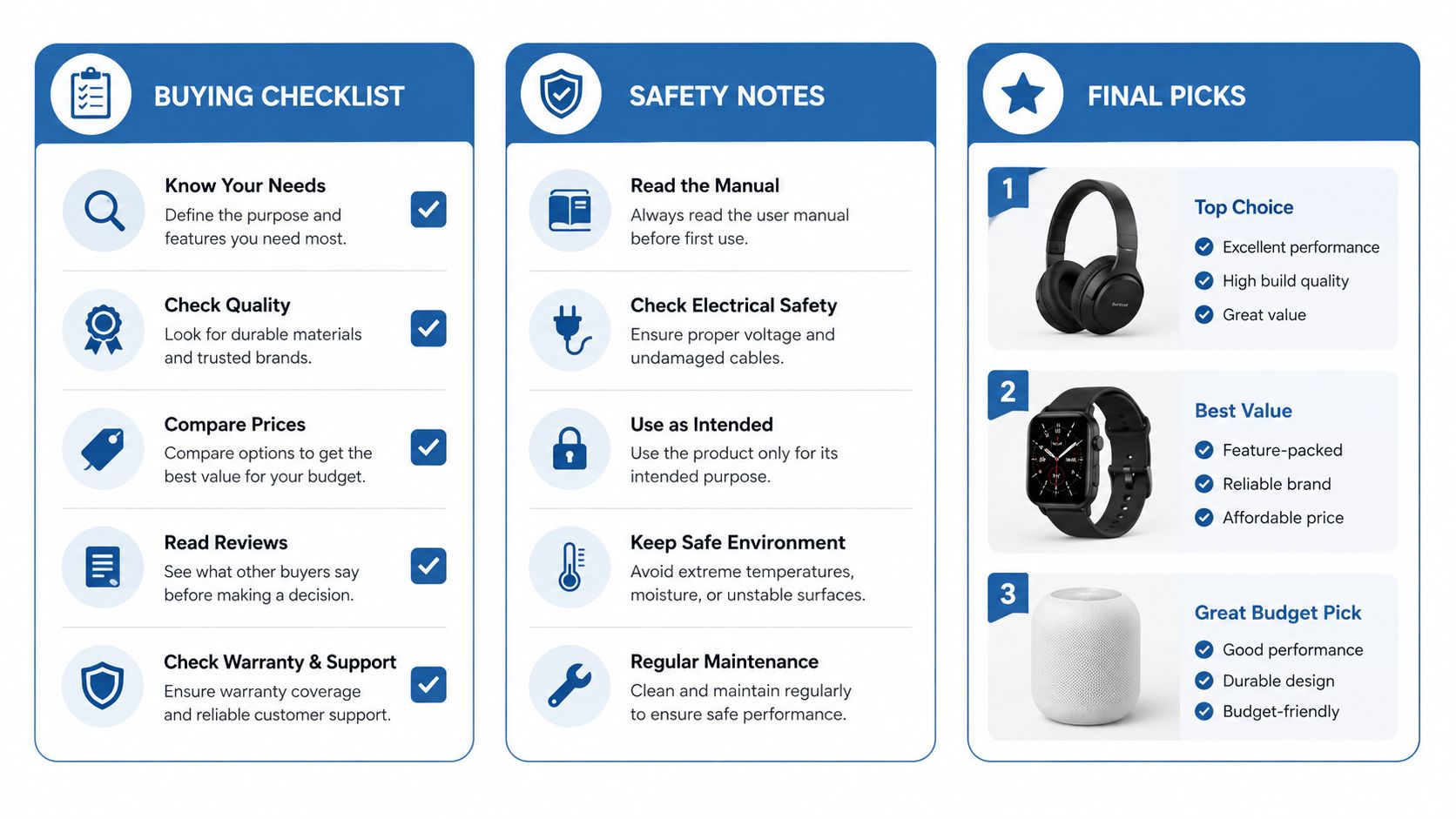
Buying Checklist, Safety Notes and Final Picks
Use this checklist before you buy
- Measure the workout zone: Tape out the machine's in-use footprint, not just the storage size.
- Check the stored dimensions: If it won't slide out of the way easily, it'll annoy you later.
- Match noise to your building: Magnetic systems are usually easier to live with than louder impact-based machines.
- Match joint impact to your body: Seated or non-weight-bearing options are the safer call if your joints complain.
- Treat calorie claims with scepticism: Focus on believable hourly output, not showreel numbers.
If you're comparing conventional gear, best bikes for gravel riders is useful for a different kind of fit decision, because the same principle applies, the right machine or bike is the one that matches the terrain or room you have.
Safety and common-sense limits
Small-space cardio should never happen while driving, going up or down stairs, or crossing a road. It also shouldn't be squeezed into situations where a trip, slip, or distraction could hurt you. If you've got a serious condition or injury, get medical clearance before starting anything new.
If you want the cleanest all-rounder for a tight flat, choose the foldable exercise bike. If your joints are the issue, go with the compact elliptical or recumbent-style seated option. If you need the most practical pick for desk work and chore days, go with the wearable EMS category, because it removes the machine footprint entirely.
For a closer look at how small home setups can be simplified, BionicGym's home exercise equipment guide is worth reading before you decide what belongs in your room.
If you want cardio that fits a flat, a desk, or a work-from-home day without taking over the floor, BionicGym is built around that problem. It gives you a small-space option that isn't another big machine to move, store, or tiptoe around. Visit BionicGym if you want to see how wearable cardio can fit into an apartment-sized routine.